
Planned Preventive Maintenance for Retail Chains: How to Run It Across 100+ Stores
Planned preventive maintenance in a retail store covers HVAC, electrical distribution and RCDs, lighting and emergency lighting, UPS for tills and IT, fire safety, doors and shutters, refrigeration, roofs and drainage, plumbing, external areas and signage. Chains run it from one asset register and one calendar, schedule work outside opening hours and measure PPM completion, first-time fix and repeat faults.
In this article
- What does planned preventive maintenance cover in a retail store?
- How often should each system be maintained?
- Store PPM checklist by system
- How do you plan PPM around opening hours?
- Why does every store need its own asset register?
- How should contractors and SLAs be managed?
- What KPIs show whether PPM is working?
- What documentation do compliance and insurance require?
- How does a single platform with live reports change it?
- Frequently asked questions
- Sources
A retail store is open to the public most of the day, so every fault is visible. A dead till, a warm sales floor, a shutter that will not open at 7:45 or a dark exit sign is a problem for customers, not only for the maintenance team. Across a hundred or more stores, the question becomes how to keep things from breaking.
Planned preventive maintenance (PPM) is how most chains answer it. This guide covers what PPM includes in a typical store, how often each system is checked, and how to run it across a large estate.
What does planned preventive maintenance cover in a retail store?
Behind the ceiling and in the back rooms, a store has a dozen building systems in four groups:
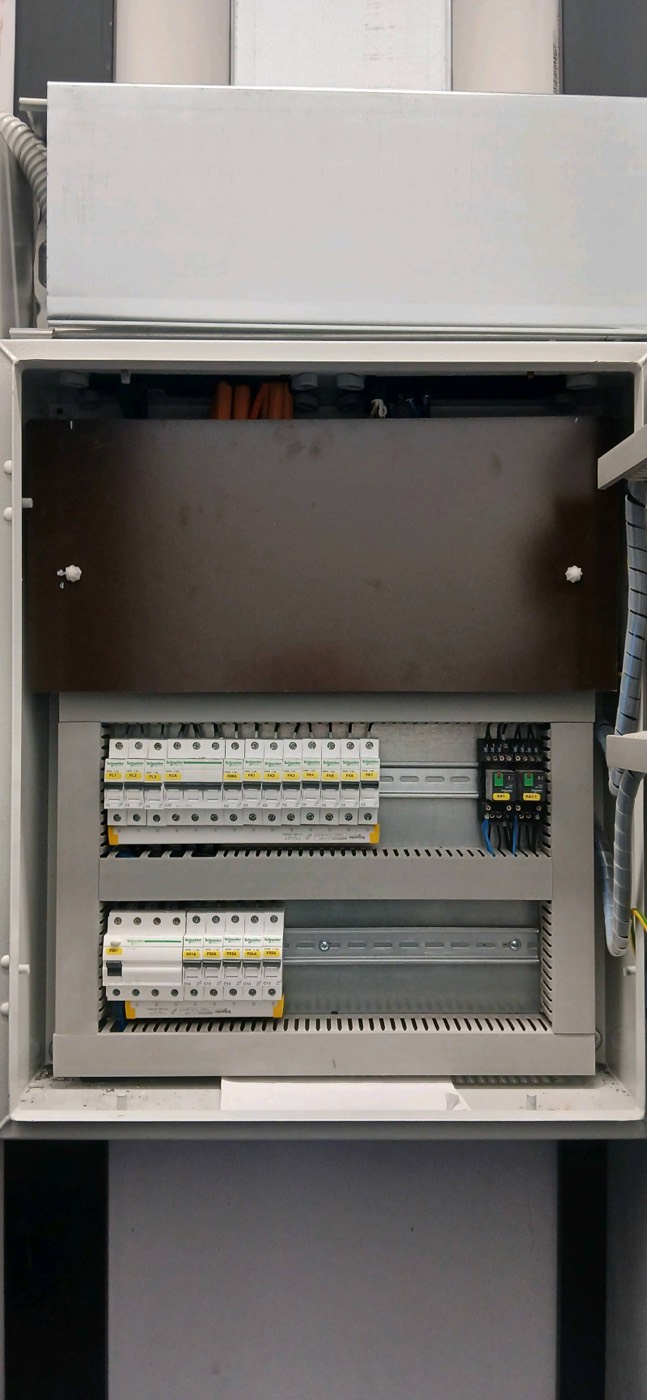
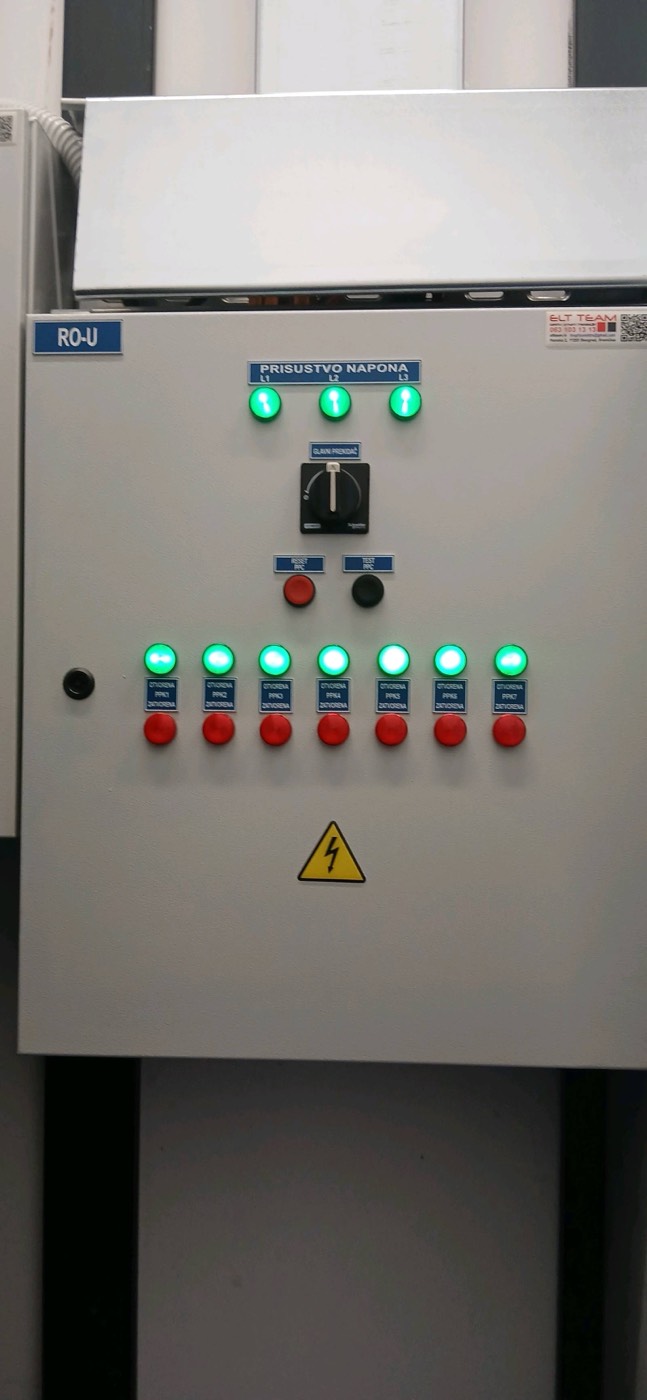
- Power and IT: the main distribution board and sub-boards, RCDs and surge protection, lighting circuits, and the UPS that keeps tills, network equipment and the server or comms room running.
- Climate: heating, ventilation and air conditioning (split units, rooftop units, air curtains at the entrance), and refrigeration where the store sells chilled or frozen goods.
- Life safety: the fire alarm, fire extinguishers, emergency lighting and exit signs, and smoke or heat ventilation where fitted.
- Building and access: automatic doors, roller shutters and loading bay doors, the roof, gutters and drainage, plumbing and toilets, the car park and external lighting, and signage.
Shelving and displays usually belong to store operations. The maintenance plan covers the systems that keep the store open, safe and compliant.
How often should each system be maintained?
Intervals depend on the equipment, the manufacturer, the store format and, for statutory items, the law in each country. The table shows typical practice; for anything marked statutory, check local regulations.
| System | Typical interval | Notes |
|---|---|---|
| HVAC split units and rooftop units | Quarterly to semi-annual | Filters more often in dusty stores; coils and drains per manufacturer |
| Refrigerant leak checks (F-gas) | Annual, semi-annual or quarterly, depending on charge | Statutory: under F-gas Regulation (EU) 2024/573, systems from 5 t CO2e are checked at least every 12 months, from 50 t every 6 months, from 500 t every 3 months; leak detection systems can extend the interval |
| Electrical distribution boards | Annual | Visual check, tightness, thermographic survey; NFPA 70B ties the interval to equipment condition |
| RCD test button | Quarterly | Manufacturers commonly recommend pressing the test button every three months; trip-time testing with an instrument at the periodic inspection |
| Emergency lighting | Monthly functional test, annual full-duration test | Statutory in most countries; EN 50172 and EN 1838 practice: a short monthly test and a test for the full rated duration once a year |
| Fire extinguishers | Monthly inspection, annual maintenance | Statutory: NFPA 10 or local rules; internal examination and hydrostatic tests at longer intervals depending on type |
| Fire alarm system | Semi-annual or annual | Statutory: NFPA 72 or local fire code; many devices are tested annually |
| UPS and batteries | Quarterly to semi-annual | Battery voltages and temperature; IEEE 1188 practice for VRLA batteries |
| Automatic doors and shutters | Quarterly to semi-annual | Safety sensors checked on every service |
| Roof, gutters and drainage | Semi-annual | Before and after the leaf and storm season |
| Plumbing and toilets | Quarterly | Leaks, flushes, water heaters |
| Car park, external lighting, signage | Quarterly | Lighting, surfaces, drainage, sign fixings |
Store PPM checklist by system
Electrical distribution and RCDs
- Inspect the main board and sub-boards for heat marks, loose terminals and tripped breakers.
- Check that circuit labels still match what each circuit feeds; refits change circuits more often than anyone updates the schedule.
- Press the test button on each RCD and record the result. A device that does not trip is replaced, not reset.
- Run a thermographic survey under trading load, ideally once a year.
- Check surge protection indicators and earthing connections.
UPS for tills, network and the comms room
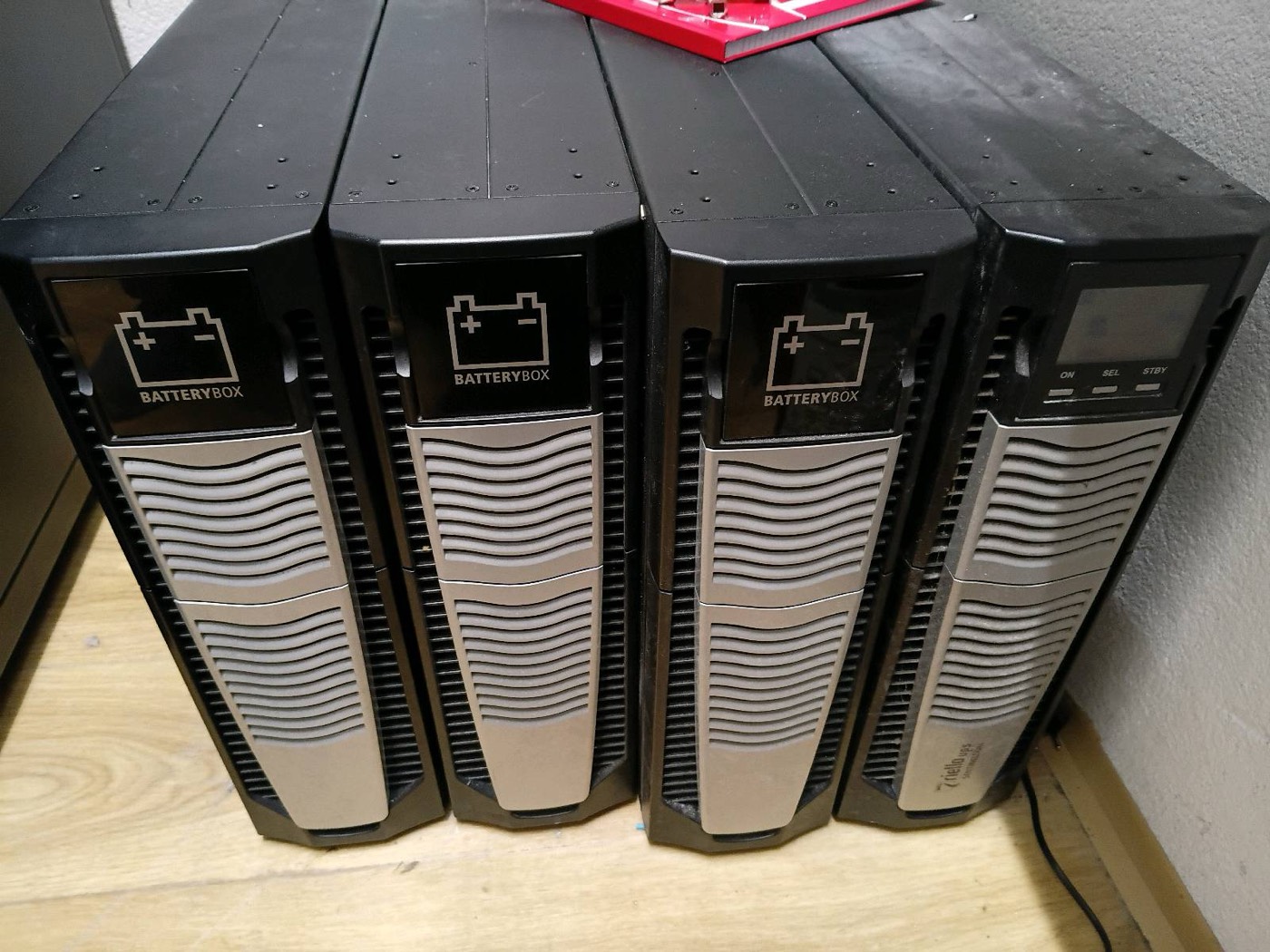
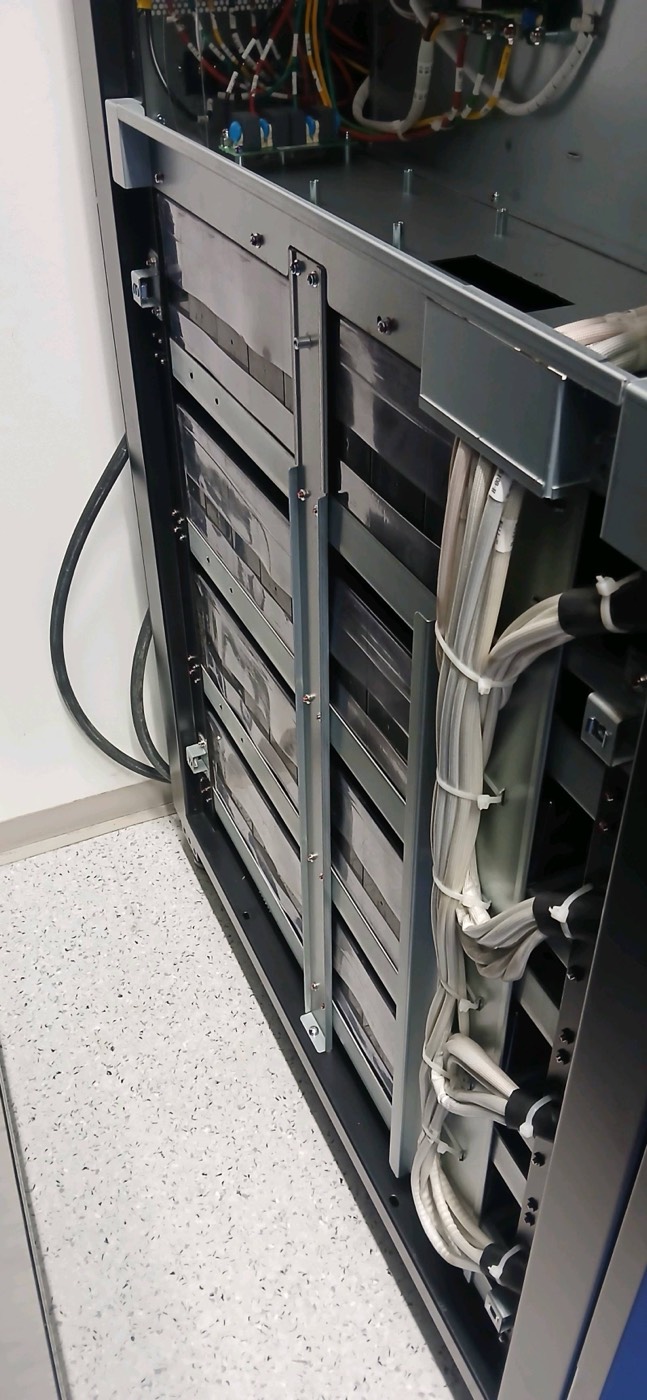
- Read the UPS status and alarm log: voltages, load, battery voltage and temperatures.
- Measure each battery block where possible and record the battery installation date.
- Check that the comms room is ventilated and not used as a storeroom.
- Confirm which loads are on the UPS: tills, network and payment terminals, not a kettle or a heater.
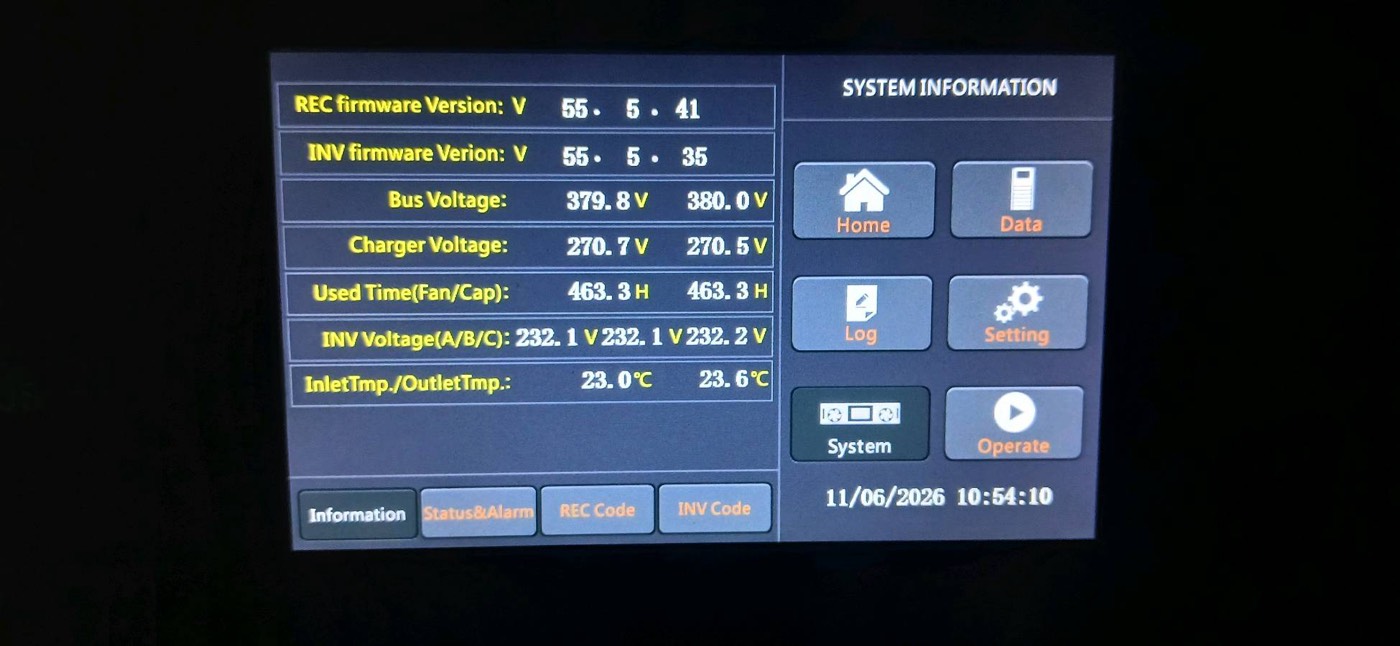
The battery principles are the same as on remote sites: see cell site backup power maintenance.
HVAC, ventilation and refrigeration
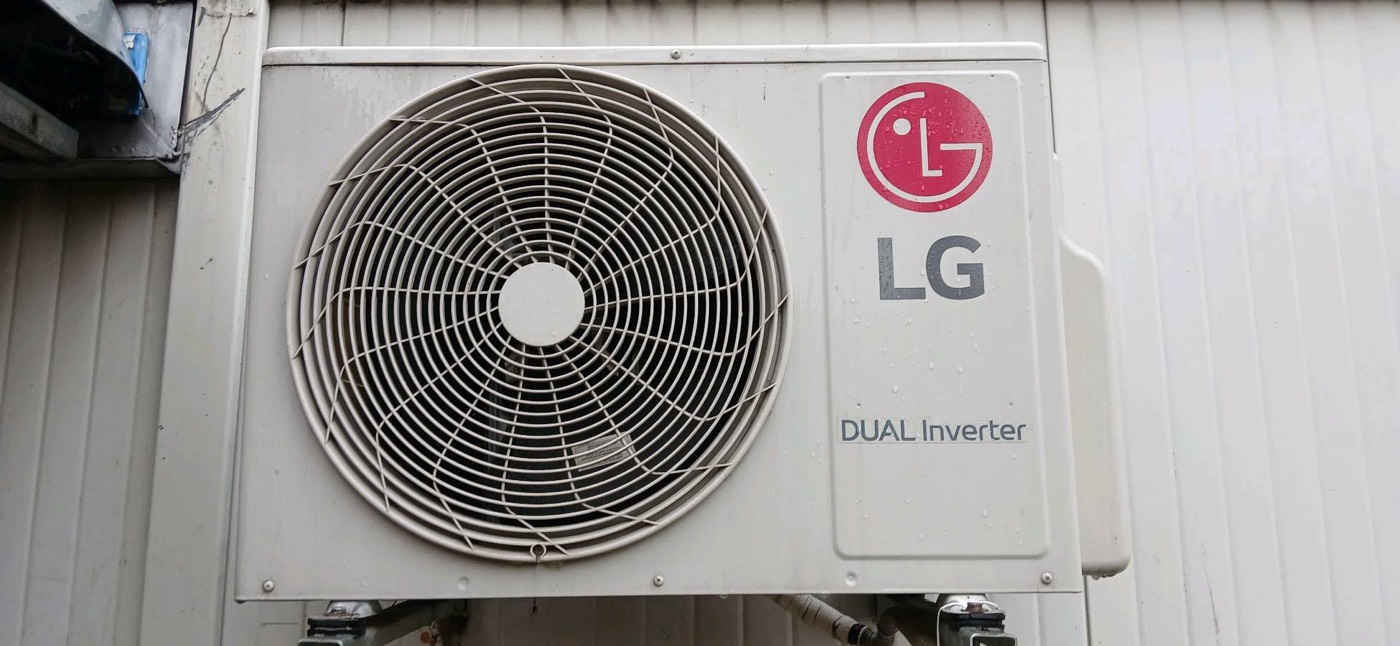
- Clean or replace filters in indoor units, rooftop units and air curtains.
- Clean outdoor coils and keep the airflow clear of pallets, bins and stock.
- Check condensate drains and pumps; a blocked drain shows up as a stained ceiling tile.
- Compare the sales floor temperature with the setpoint and the building management system reading.
- Carry out refrigerant leak checks at the interval the charge requires and keep the F-gas records.
Lighting, emergency lighting and fire safety
- Replace failed lamps and drivers on the sales floor, in stock rooms and outside.
- Run the monthly emergency lighting test and log it; schedule the annual full-duration test at night, so the batteries recharge before opening.
- Inspect fire extinguishers: present, in date, accessible and not blocked by stock.
- Confirm that the fire alarm service has been done at the required interval and that any faults on the panel are closed.
Doors, building and external areas
- Service automatic doors, shutters and loading bay doors, including safety sensors and emergency opening.
- Clear gutters and roof drains, and look for ponding or damaged roofing.
- Check toilets, taps, water heaters and pipework for leaks.
- Walk the car park: lighting, potholes, barriers, drainage and signage.
How do you plan PPM around opening hours?
Customers should never see a ladder on the sales floor at peak hours. Most chains schedule:
- Night work for anything that needs power off, ladders over the sales floor or noisy equipment: board inspections, lighting replacement at height, ceiling-void work.
- Early-morning work before opening for doors, shutters, toilets and anything that needs store staff to hand over keys and alarm codes.
- Trading-hours work only for external areas, roofs and plant rooms with separate access, and for quick checks that do not disturb the floor.
Grouping nearby stores into one route, and combining PPM with open reactive jobs at the same store, cuts travel and the number of night shifts that need store access.
Why does every store need its own asset register?
An asset register lists every maintained item in a store: location, make and model, serial number, installation date and service history. Good asset information is a foundation of asset management in ISO 55000, and in practice it is what makes PPM schedulable. Without it, the plan is a guess.
Use the same structure in every store, so the same asset type gets the same checklist and interval everywhere. Photos of nameplates and the board schedule save wasted visits.
How should contractors and SLAs be managed?
Most chains mix in-house technicians with specialist contractors for fire systems, refrigeration and doors. Each contract should define:
- PPM scope and interval per asset type, tied to the asset register.
- Response and resolution times by priority. In ITIL incident management, priority follows impact and urgency, and the clock starts when the job is logged.
- Evidence: readings, photos, checklists and certificates, delivered the same day.
- Findings: a defect found during PPM becomes a follow-up job with a price, a deadline and an owner.
What KPIs show whether PPM is working?
A few, measured per store, region and contractor:
| KPI | What it shows |
|---|---|
| PPM completion rate | Planned tasks done on time, as a share of tasks due |
| PPM vs reactive ratio | How much of the work is planned rather than breakdowns |
| First-time fix rate | Reactive jobs closed on the first visit, without a return |
| Response and resolution time | Speed of arrival and restoration against the SLA |
| Repeat faults | The same asset failing again soon, often a weak repair or missed PPM |
Set targets from your own baseline, not someone else's numbers. The trend matters more than any single month.
What documentation do compliance and insurance require?
Fire authorities, insurers and auditors want proof. For each store, keep emergency lighting test records, fire alarm and extinguisher service records, refrigerant leak check records, electrical test certificates with RCD and thermographic results, door and shutter service records, and a history of every defect and when it was closed. If these sit in contractors' inboxes and paper logbooks, an audit or an insurance claim turns into a search.
How does a single platform with live reports change it?
When the asset register, the PPM calendar, contractor jobs and alarms from monitored UPS units and HVAC controllers sit in one place, managers see completion per store and per contractor as it happens. Technicians fill in checklists on site with readings and photos, so the report exists before they leave. Every finding becomes a follow-up job automatically. The approach is the same one used for unmanned sites in the telecom site preventive maintenance checklist and by a 24/7 NOC monitoring field infrastructure.
Frequently asked questions
What is planned preventive maintenance in retail?
Retail PPM is the scheduled inspection and servicing of a store's building systems, such as HVAC, electrical distribution, emergency lighting, UPS, fire safety, doors and roofs, before something fails. It runs from an asset register and a calendar.
How often should retail stores have PPM visits?
Most chains plan visits quarterly or semi-annually per store, with some tasks more often: emergency lighting is tested monthly and fire extinguishers are inspected monthly in most jurisdictions. Statutory intervals for fire safety, emergency lighting and refrigerant leak checks are set by local regulations and standards.
What is a good PPM vs reactive maintenance ratio?
There is no universal figure. The ratio depends on store age, format and contract scope. Measure your own baseline across the estate, then track whether the share of planned work grows and the number of repeat faults falls over time.
What records should a retail store keep for compliance?
Keep emergency lighting tests, fire alarm and extinguisher service records, refrigerant leak checks where required, electrical certificates and RCD results, door service records, and a history of every defect and its closure.
Sources
- EN 50172 and EN 1838, emergency escape lighting systems and lighting applications, including routine testing practice.
- NFPA 10, Standard for Portable Fire Extinguishers; NFPA 72, National Fire Alarm and Signaling Code; NFPA 70B, Standard for Electrical Equipment Maintenance.
- Regulation (EU) 2024/573 on fluorinated greenhouse gases, leak checking requirements.
- IEEE 1188, Recommended Practice for Maintenance, Testing, and Replacement of VRLA Batteries for Stationary Applications.
- ISO 55000, Asset management, overview and principles; ITIL incident management practice.
- HVAC, UPS, RCD and door manufacturers' operation and maintenance documentation.
- Domar field procedures for retail store preventive maintenance.

Every site, every asset and every visit in one place
AllSiteCare brings alarms from site equipment, preventive maintenance plans and live field reports together, so you see what is happening at every location and what needs a visit.